

Keeping Your Loved Ones Safe at Home from Fires
- Ace Fire LA

- Oct 20, 2025
- 4 min read
Fires in the home can happen suddenly and cause devastating damage. Protecting your family and property requires awareness, preparation, and action. This guide will walk you through practical steps to keep your loved ones safe from fire hazards. By understanding risks and implementing safety measures, you can reduce the chance of fire and be ready if one occurs.
Understanding the Importance of Home Fire Safety
Home fire safety is critical because most fire-related injuries and deaths happen in residential settings. Fires can start from common sources like cooking, heating equipment, electrical faults, or careless smoking. Knowing how to prevent fires and respond quickly can save lives.
Key reasons to prioritize home fire safety:
Fires spread rapidly, often within minutes.
Smoke inhalation is a leading cause of death in fires.
Early detection and evacuation increase survival chances.
Proper equipment and planning reduce property loss.
Regularly reviewing your home’s fire risks and safety measures ensures your family stays protected. Simple changes can make a big difference.

Practical Home Fire Safety Tips to Protect Your Family
Implementing effective home fire safety tips is essential for creating a safer living environment. Here are actionable recommendations to help you reduce fire risks and prepare for emergencies:
1. Install and Maintain Smoke Alarms
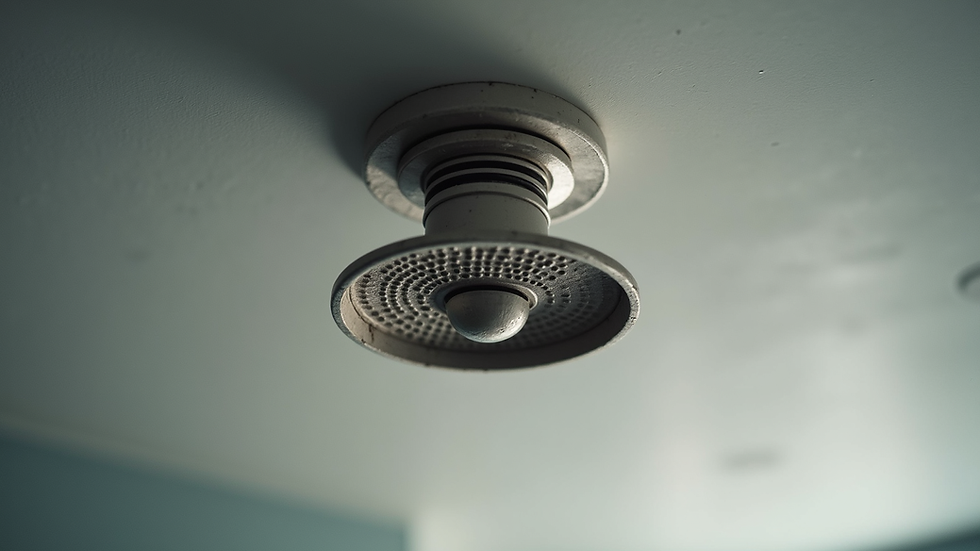
Smoke alarms provide early warning of fire. Install them on every level of your home, inside bedrooms, and outside sleeping areas. Test alarms monthly and replace batteries at least once a year. Replace smoke alarms every 10 years.
2. Create and Practice a Fire Escape Plan
Develop a clear escape plan with at least two ways out of every room. Designate a safe meeting spot outside the home. Practice the plan with all family members twice a year to ensure everyone knows what to do.
3. Keep Fire Extinguishers Accessible
Place fire extinguishers in key areas like the kitchen, garage, and near heating equipment. Learn how to use them properly. Regularly check that extinguishers are charged and in good condition.
4. Be Careful with Cooking and Heating
Never leave cooking unattended. Keep flammable items away from stovetops. Maintain heating equipment and keep space heaters at least three feet from anything combustible.
5. Manage Electrical Safety
Avoid overloading outlets and extension cords. Replace damaged cords immediately. Hire a qualified electrician to inspect your home’s wiring if you notice flickering lights or frequent breaker trips.
6. Store Flammable Materials Safely
Keep gasoline, paint, and other flammable liquids in approved containers away from heat sources. Store them in well-ventilated areas outside the living space.
7. Practice Candle Safety
Use sturdy candle holders and never leave candles unattended. Keep candles away from curtains, bedding, and other flammable materials. Consider flameless LED candles as a safer alternative.
By following these steps, you can significantly reduce the risk of fire in your home and protect your loved ones.

What are the 5 E's of Fire Safety?
The 5 E's of fire safety provide a simple framework to remember essential fire prevention and response strategies. They are:
1. Education
Educate everyone in your household about fire risks and safety practices. Teach children about the dangers of fire and how to respond if one occurs.
2. Engineering
Use fire-safe building materials and install safety devices like smoke alarms, fire doors, and sprinkler systems. Regular maintenance of electrical and heating systems is part of engineering safety.
3. Enforcement
Follow local fire codes and regulations. Ensure your home meets safety standards and that fire safety equipment is up to date.
4. Emergency Response
Have a plan for what to do if a fire starts. Know how to call emergency services and practice evacuation drills regularly.
5. Evaluation
Regularly assess your home for fire hazards and update your safety measures. After any fire incident, review what happened and improve your plan.
Understanding and applying the 5 E's helps create a comprehensive approach to fire safety that protects your family and property.

Preparing Your Home for Fire Emergencies
Preparation is key to minimizing harm during a fire. Here are some important steps to get your home ready:
Install multiple smoke detectors and interconnect them if possible so all alarms sound when one detects smoke.
Keep emergency numbers handy and program them into all phones.
Ensure windows and doors open easily for quick escape.
Clear clutter and flammable materials from hallways and exits.
Have a fire extinguisher on each floor and know how to use it.
Consider installing a home sprinkler system for added protection.
Create a list of emergency contacts including neighbors, family, and local fire department.
Regularly review and update your emergency plan. Make sure everyone in the household understands their role and the importance of quick action.
Staying Vigilant: Ongoing Fire Safety Practices
Fire safety is not a one-time effort but an ongoing commitment. Here are ways to maintain vigilance:
Conduct monthly checks of smoke alarms and fire extinguishers.
Replace batteries and equipment as needed.
Keep an eye on potential hazards like overloaded outlets or frayed cords.
Avoid risky behaviors such as smoking indoors or leaving cooking unattended.
Educate new family members or visitors about your home fire safety plan.
Stay informed about fire safety updates and resources.
For more detailed and updated advice, explore home fire safety tips from trusted sources.
By staying proactive, you ensure your home remains a safe haven for your loved ones.
Taking these steps seriously can make all the difference in preventing fires and protecting your family. Fire safety is a shared responsibility that requires awareness, preparation, and action every day. Start today to create a safer home environment and peace of mind for everyone under your roof.


Comments