

Essential Fire Safety Practices for Every Home
- Carlos Estrada
- Dec 9, 2025
- 4 min read

Updated: Feb 15
Fire safety practices start with awareness and preparation. The first step is to identify potential fire hazards in your home. Common sources include faulty electrical wiring, unattended cooking, heating equipment, and improperly stored flammable materials. Regularly inspect these areas and address any issues immediately.
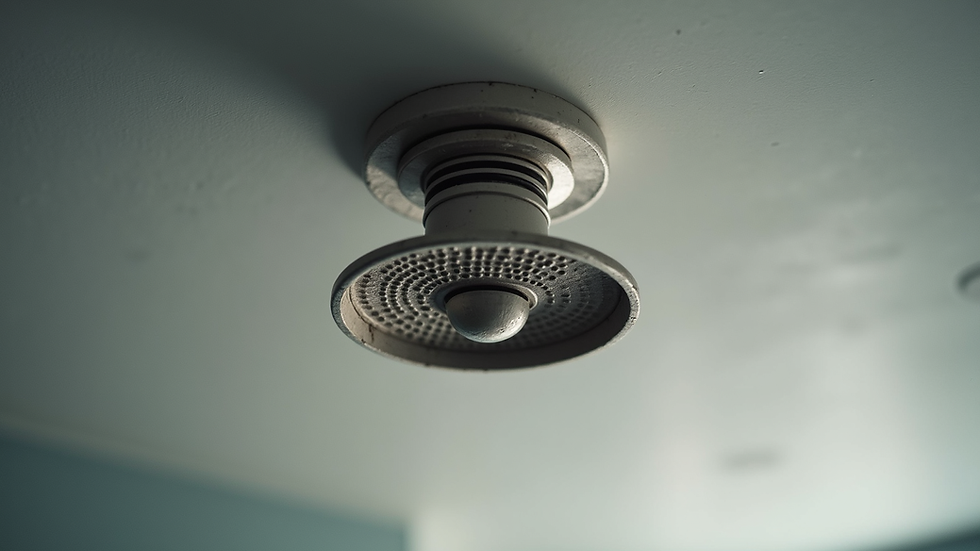
Next, ensure your home is equipped with smoke detectors on every level, especially near bedrooms. Test these devices monthly and replace batteries at least once a year. Smoke detectors provide early warnings that can make the difference between a minor incident and a disaster.
Another important practice is creating and rehearsing a fire escape plan. Map out at least two exit routes from every room and designate a safe meeting spot outside your home. Practice this plan with all household members so everyone knows what to do in an emergency.
Practical Tips to Reduce Fire Risks
Keep flammable items like curtains, paper, and clothing away from heat sources.
Never leave cooking unattended, especially when using oil or grease.
Use space heaters with automatic shut-off features and keep them at least three feet from anything combustible.
Avoid overloading electrical outlets and replace damaged cords immediately.
Store matches and lighters out of reach of children.
By implementing these fire safety practices, you can significantly reduce the risk of fire in your home.

What are the 4 P's of fire safety?
Understanding the 4 P's of fire safety can help you remember the key components of effective fire prevention and response. These are:
Prevention - Taking steps to avoid fire hazards, such as proper storage of flammable materials and regular maintenance of electrical systems.
Protection - Installing safety devices like smoke alarms, fire extinguishers, and fire-resistant building materials.
Preparation - Developing and practicing an emergency plan, including escape routes and communication strategies.
Performance - Knowing how to act during a fire, including using fire extinguishers correctly and evacuating safely.
Each of these elements plays a vital role in minimizing fire risks and ensuring safety. For example, prevention might involve checking your heating system annually, while preparation includes teaching children how to call emergency services.
Installing and Maintaining Fire Safety Equipment
Fire safety equipment is your first line of defense during a fire emergency. Smoke detectors, fire extinguishers, and fire blankets are essential tools every home should have.
Smoke Detectors
Install smoke detectors inside every bedroom, outside sleeping areas, and on every level of your home. Interconnected smoke alarms are ideal because when one sounds, they all do. This feature provides early warning no matter where the fire starts.
Fire Extinguishers
Keep at least one fire extinguisher on each floor, especially in the kitchen and near heating equipment. Learn how to use it properly by remembering the PASS technique:
Pull the pin.
Aim the nozzle at the base of the fire.
Squeeze the handle.
Sweep side to side.
Fire Blankets
Fire blankets are useful for smothering small fires or wrapping around a person whose clothes have caught fire. Store them in accessible locations and ensure all family members know how to use them.
Regular maintenance is crucial. Test smoke detectors monthly, replace batteries annually, and check fire extinguishers for pressure and damage. Replace any equipment that is expired or malfunctioning.

Creating a Fire-Resistant Home Environment
Beyond equipment, the structure and layout of your home can influence fire safety. Using fire-resistant materials for roofing, siding, and insulation can slow the spread of fire. Clear away dry leaves, debris, and flammable vegetation from around your home to reduce wildfire risks.
Keep exits clear and ensure doors and windows open easily. Avoid clutter in hallways and stairwells to allow quick evacuation. If you have a fireplace, have it inspected and cleaned annually to prevent chimney fires.
Consider installing fire-rated doors and windows, especially if you live in an area prone to wildfires. These features provide extra protection and can give you more time to escape safely.
Responding Effectively During a Fire Emergency
Knowing how to respond during a fire can save lives. If you discover a fire, act quickly:
Alert everyone in the home immediately.
Use your escape plan to evacuate safely.
If smoke is present, stay low to the ground to avoid inhalation.
Close doors behind you to slow the fire’s spread.
Call emergency services once you are safely outside.
Never re-enter a burning building.
If a fire is small and manageable, use a fire extinguisher to put it out. However, if the fire is spreading rapidly, evacuate immediately and wait for professional firefighters.
Teaching children about fire safety and emergency procedures is equally important. Make sure they understand the dangers and know how to respond calmly.
Staying Informed and Prepared
Fire safety is an ongoing process. Stay informed about the latest safety recommendations and local fire risks. Participate in community fire drills and encourage neighbors to adopt fire safety practices.
Regularly review and update your fire escape plan, especially if your household changes. Keep emergency contact numbers handy and consider installing a home fire alarm system connected to local emergency services.
For more detailed information and expert advice on fire safety, visit this fire safety blog.
By mastering these fire safety practices, you can protect your home and loved ones from the devastating effects of fire. Taking proactive steps today ensures a safer tomorrow.
Conclusion
Fire safety is not just a one-time effort; it requires continuous vigilance and education. By understanding the risks and implementing effective strategies, you can create a safer environment. Remember, the goal is to be prepared and informed. Regularly review your fire safety measures and stay updated on best practices. Your commitment to fire safety can make a significant difference in protecting your home and loved ones.


Comments