

Understanding the Importance of Fire Protection for Urban Areas
- Ace Fire LA

- Oct 19, 2025
- 4 min read
Urban areas are bustling hubs of activity, filled with people, businesses, and homes. While these areas thrive with energy and innovation, they also present unique challenges, particularly when it comes to fire safety. Fire protection has become a critical concern in densely populated regions due to the high risks involved. In this blog post, we will explore the importance of fire protection for urban areas, the types of fire protection systems available, and actionable strategies for minimizing risks.
The Necessity of Fire Protection
Fire protection is essential not just for homes but also for businesses and public spaces. Urban areas typically have limited access to open land and resources, which can exacerbate fire incidents. According to the National Fire Protection Association (NFPA), in the United States, there are approximately 1.3 million fires every year, leading to thousands of injuries and fatalities. In urban settings, where buildings are closely packed, an uncontrolled fire can spread rapidly, causing extensive damage and loss of life.
This necessity emphasizes the importance of having robust fire protection systems in place. Fire alarms, sprinkler systems, and accessible fire extinguishers are essential components of a comprehensive fire prevention strategy. By investing in these services early, urban residents can protect their lives, property, and community.

Types of Fire Protection Systems
Fire protection systems come in various forms, each designed to detect and control fires in specific environments. Understanding these systems is crucial for effective urban fire safety.
Fire Alarms
Fire alarms are often the first line of defense against fires. They detect smoke or heat and alert occupants to evacuate. Modern fire alarms are designed with advanced technologies that allow them to differentiate between false alarms and real threats. Implementing these systems in homes and offices helps to ensure a quick response, potentially saving lives.
Sprinkler Systems
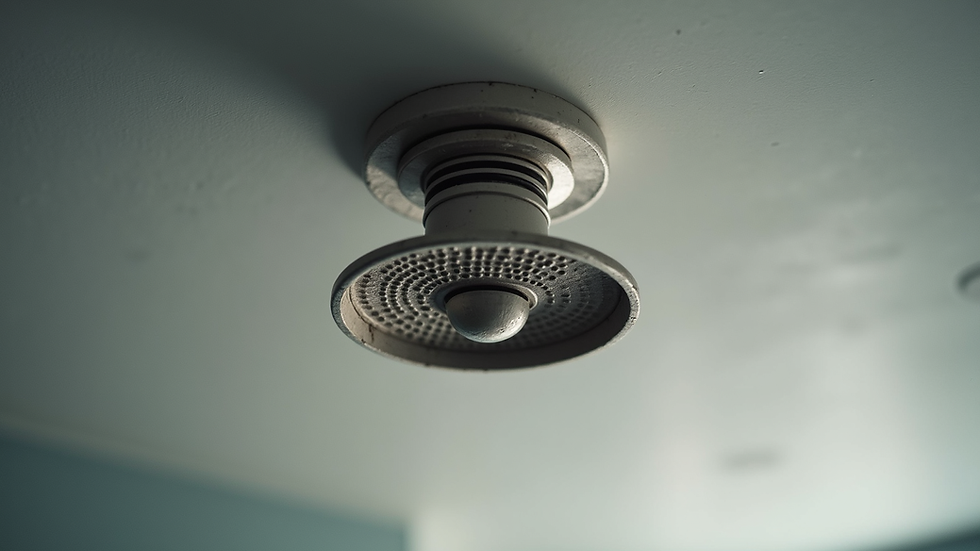
Sprinkler systems are another vital component of fire protection. These systems automatically release water when fire is detected, suppressing flames before they can spread. Buildings that are equipped with sprinkler systems have a significantly lower rate of fire-related fatalities and property loss. According to the NFPA, the presence of a working sprinkler system reduces the risk of fire deaths by about 87%.
Fire Extinguishers
Portable fire extinguishers are essential tools for immediate fire suppression. They are categorized into different types based on the materials they can extinguish, including water-based, foam, dry chemical, CO2, and wet chemical extinguishers. Every home or business should have extinguishers readily accessible and employees should be trained in their use.

Urban Challenges and Risks
While many fires can be prevented, urban areas face unique challenges that increase fire risks. High-rise buildings, densely populated neighborhoods, and aging infrastructure can make fires more dangerous.
High-Rise Buildings
High-rise buildings often present unique fire safety challenges. These structures may have limited evacuation routes, and fires can quickly escalate from one floor to another. Following the Grenfell Tower fire in London, which resulted in 72 deaths, many urban areas have started reevaluating their fire safety codes. Regulations like maintaining safe exit routes and ensuring efficient fire-fighting access are crucial for reducing risks.
Densely Populated Areas
Populated areas often have smaller homes with limited space between them. These conditions can result in a fire spreading from one home to another in a matter of moments. It is vital for urban planning to include fire lanes and clear access routes for emergency services in these neighborhoods.
Implementing Effective Fire Protection Strategies
Urban areas can adopt several strategies to improve fire protection. Implementing a fire risk assessment program is a proactive step in identifying potential hazards.
Regular Fire Risk Assessments
Conducting regular fire risk assessments can help identify weaknesses in fire safety measures. These assessments should be comprehensive, examining everything from the condition of fire alarms to the accessibility of escape routes. Property owners and businesses should partner with fire protection professionals to evaluate their needs.
Community Training and Awareness
Educating the community about fire risks and safety measures is paramount. Organizing training sessions on fire safety and the use of extinguishers can empower residents. Community programs can also include reminders about maintaining smoke detectors and regularly checking fire alarms.
Upgrading Fire Infrastructure
Cities should invest in infrastructure that supports fire safety. This can involve updating fire codes to ensure that buildings have adequate protection systems. Local governments should also consider providing resources for fire prevention at the community level.
Engaging Professional Services
Partnering with professionals for fire protection services, like those offered by fire protection services Los Angeles, can provide tailored solutions for urban areas. Professional fire safety companies can offer inspections, installations, and maintenance of fire protection systems.

Building Community Responsibility
Lastly, the importance of community cannot be understated. Each neighbor plays a role in contributing to fire safety. Residents should look out for one another and report any fire hazards they observe. Creating a community fire watch can help foster a culture of safety and vigilance.
By promoting community awareness, urban areas can create a safer environment for everyone. It’s essential to establish a network of support, sharing information about potential hazards and best practices.
Safe Urban Living Through Fire Protection
In conclusion, understanding the importance of fire protection for urban areas is crucial for protecting lives and property. The risks associated with urban living require comprehensive fire safety measures, effective systems, and community engagement. By employing fire protection strategies, educating the public, and promoting a culture of safety, we can mitigate the chances of fire disasters in densely populated regions.
Investing in fire protection is not just a personal responsibility; it is a community obligation. Urban areas must join forces to ensure that fire safety is prioritized, creating safer living environments for everyone. As cities continue to grow and evolve, so too must our strategies for protecting them from the devastating effects of fire.


Comments