

Explore Modern Fire Safety Systems: A Comprehensive Guide

Fire safety is a critical concern for any business or property owner. Ensuring that your premises are equipped with the latest technology and systems can save lives, protect assets, and minimize downtime. This guide explores modern fire safety systems, offering practical insights and actionable recommendations to help you make informed decisions.
Understanding Modern Fire Safety Systems
Modern fire safety systems have evolved significantly from traditional fire alarms and extinguishers. Today, they integrate advanced technology to detect, alert, and suppress fires more efficiently. These systems are designed to meet stringent safety regulations and adapt to various building types and uses.
Key components of modern fire safety systems include:
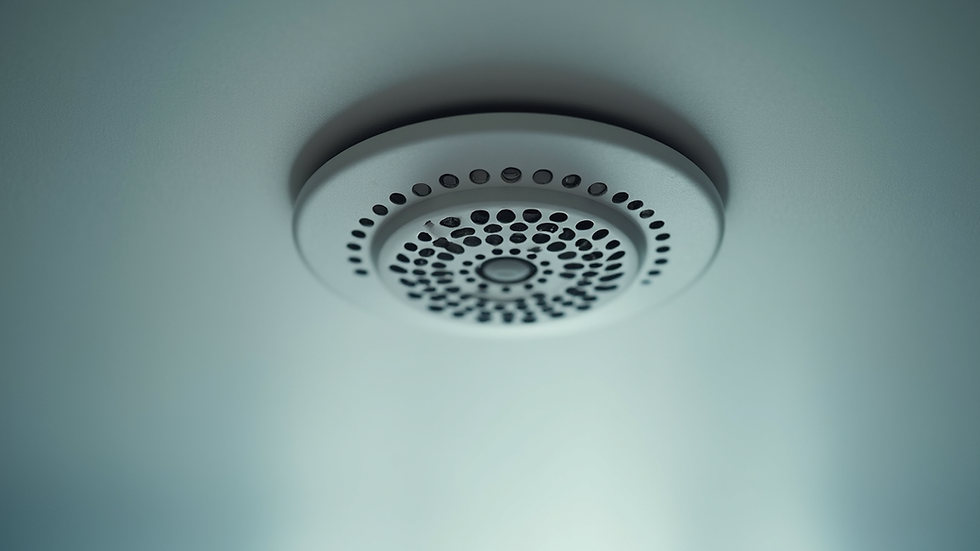
Fire Detection Devices: Smoke detectors, heat sensors, and flame detectors that provide early warning.
Fire Suppression Systems: Sprinklers, gas suppression, and foam systems that control or extinguish fires.
Alarm and Notification Systems: Audible alarms, visual signals, and communication tools to alert occupants and emergency responders.
Control Panels and Monitoring: Centralized systems that manage detection and suppression devices, often with remote monitoring capabilities.
Implementing these systems requires careful planning and professional installation to ensure compliance and effectiveness.

Key Features of Modern Fire Safety Systems
Modern fire safety systems offer several features that enhance protection and response times:
1. Early Detection and Accuracy
Advanced sensors can distinguish between actual fire threats and false alarms caused by steam, dust, or cooking fumes. This reduces unnecessary evacuations and disruptions.
2. Integration with Building Management
Fire safety systems can be integrated with HVAC, lighting, and security systems to optimize emergency response. For example, ventilation can be shut down to prevent smoke spread, and emergency lighting can activate automatically.
3. Remote Monitoring and Control
Many systems now offer remote access via smartphones or computers, allowing facility managers to monitor status and receive alerts in real-time, even when off-site.
4. Customizable Solutions
Systems can be tailored to specific building layouts, occupancy types, and risk levels. This customization ensures that every area receives appropriate protection.
5. Compliance with Regulations
Modern systems are designed to meet or exceed local fire codes and standards, helping businesses avoid fines and legal issues.
Types of Fire Suppression Systems
Choosing the right fire suppression system depends on the nature of the property and the types of fire risks present. Here are some common options:
Water-Based Systems
Sprinkler Systems: The most common type, sprinklers activate when heat is detected, releasing water to control or extinguish fires.
Deluge Systems: Used in high-hazard areas, these release water over a wide area simultaneously.
Gas-Based Systems
Clean Agent Systems: Use inert gases or chemical agents to suppress fires without damaging sensitive equipment, ideal for data centers or archives.
CO2 Systems: Effective for industrial settings but require safety precautions due to the risk of asphyxiation.
Foam Systems
Used primarily in areas with flammable liquids, foam creates a barrier to prevent fire spread.
Hybrid Systems
Combine different suppression methods to address complex fire risks.
Benefits of Implementing Advanced Fire Protection Systems
Incorporating advanced fire protection systems into your property offers numerous advantages:
Enhanced Safety: Faster detection and suppression reduce injury and loss of life.
Property Protection: Minimizes damage to buildings and contents.
Business Continuity: Limits downtime by controlling fires quickly.
Insurance Savings: Many insurers offer reduced premiums for properties with modern fire safety systems.
Regulatory Compliance: Ensures adherence to local fire codes and standards.
Practical Steps to Upgrade Your Fire Safety
Upgrading to modern fire safety systems involves several key steps:
Risk Assessment
Conduct a thorough evaluation of your property to identify fire hazards and vulnerable areas.
Consultation with Experts
Work with fire protection professionals to design a system tailored to your needs.
System Design and Planning
Develop detailed plans that integrate detection, suppression, and notification components.
Installation and Testing
Ensure proper installation by certified technicians and conduct rigorous testing.
Training and Maintenance
Train staff on system operation and establish regular maintenance schedules to keep systems functional.
Staying Ahead with Fire Safety Technology
Fire safety technology continues to advance, with innovations such as:
Smart Sensors: Capable of detecting multiple fire indicators and environmental conditions.
Artificial Intelligence: Used in monitoring systems to predict fire risks and optimize responses.
Wireless Systems: Simplify installation and reduce disruption in existing buildings.
Integrated Emergency Communication: Provides clear instructions during emergencies.
Adopting these technologies can further enhance safety and operational efficiency.
Final Thoughts on Fire Safety Preparedness
Investing in modern fire safety systems is essential for protecting lives and property. By understanding the available technologies and implementing tailored solutions, businesses and property owners can ensure a safer environment and compliance with regulations. Regular reviews and updates to fire safety measures will keep your premises prepared for any emergency.
Taking proactive steps today can make all the difference tomorrow.


Comments